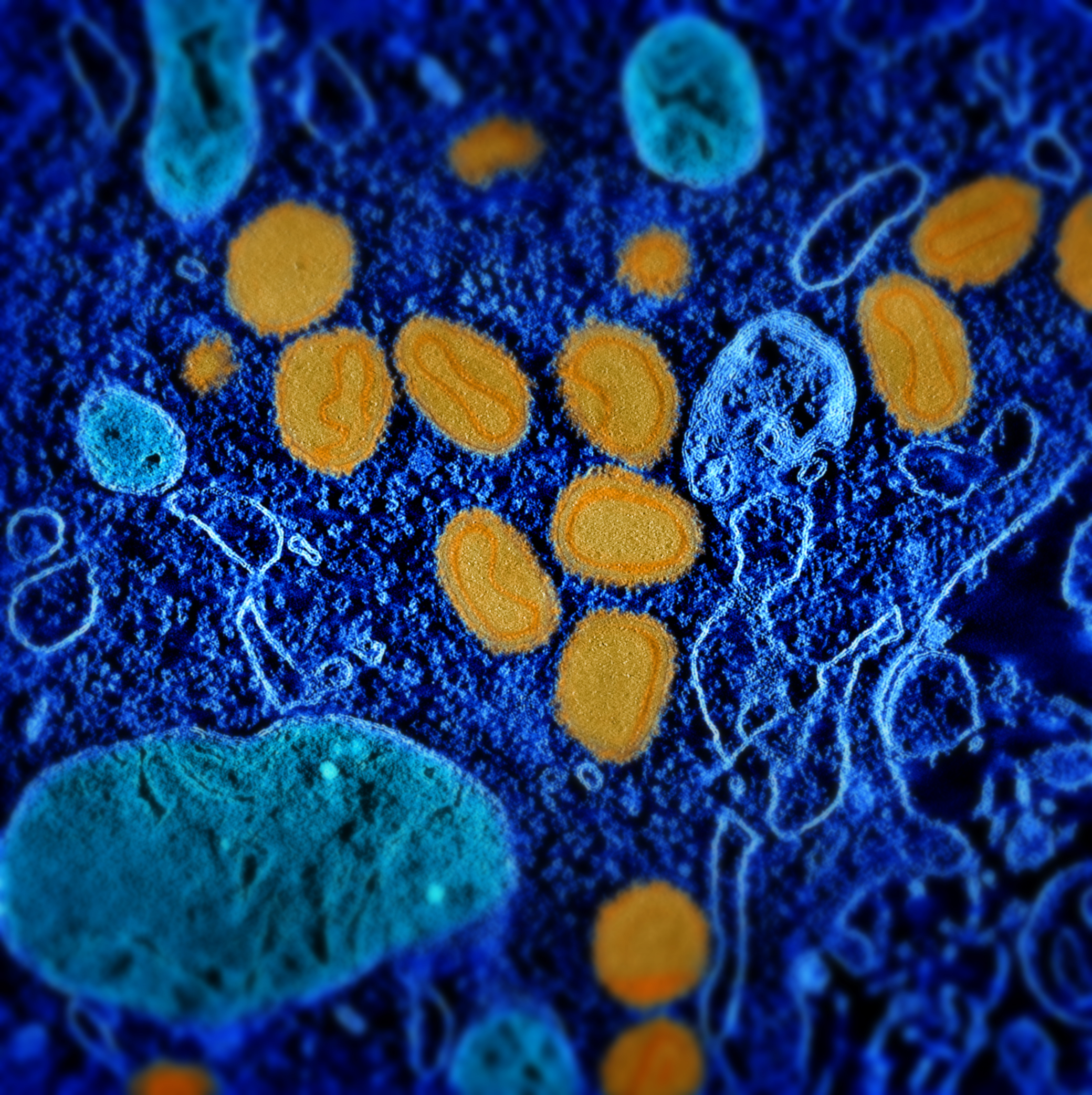
Viruses are micro-organisms that enter cells in the body and reproduce, causing a viral infection. Their ability to hide in cells makes them very difficult for the immune system to fight.
The Viral Infectious Diseases theme at the Doherty Institute is guided by a clear vision: for the Doherty Institute to be recognised as a world leader in the discipline of viral infectious diseases, integrating basic discovery and translational research with public health and clinical research programs to improve global health outcomes through prevention, treatment and cure. This vision reflects the Institute’s commitment to scientific excellence, innovation, and impact when facing emerging and evolving viral threats.
Viral Infectious Diseases addresses the need to understand and respond to viral diseases that continue to challenge global health systems. These include endemic viruses such as influenza, human immunodeficiency virus (HIV), and hepatitis, as well as emerging threats like mpox, Japanese encephalitis virus (JEV) and avian influenza. Ats the Doherty Institute, multidisciplinary teams work across the full research ecosystem – from discovery research through to translational research, clinical trials, implementation science, policy and public health. This integrated approach ensures scientific breakthroughs can be rapidly progressed into real-world applications.
Discovery science is a cornerstone of the research. At the Doherty Institute, researchers investigate how viruses replicate, evolve and interact with the immune system. Discoveries can inform the development of novel therapeutics and next generation vaccines.
The Institute has demonstrated exceptional agility and leadership in outbreak preparedness and response, include developing rapid diagnostic tools, clinical trials for novel therapeutics, and the use of epidemiology to inform national and global policy. The Institute’s work with COVID-19 highlights the capacity to pivot quickly and deliver impactful solutions.
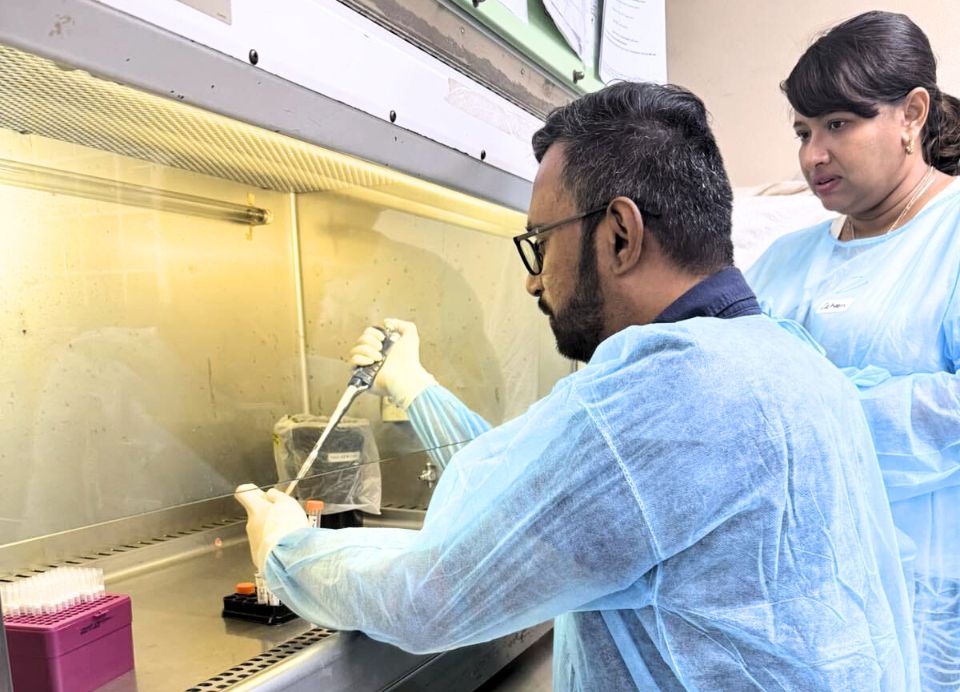
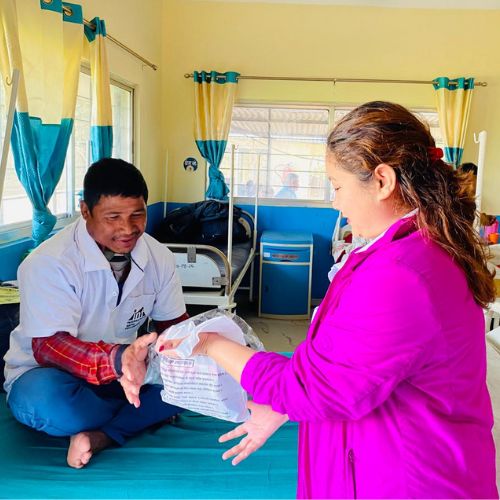
Beyond research, the Doherty Institute plays a crucial role in strengthening public health systems through surveillance, laboratory capacity building and outbreak response – particularly in the Indo-Pacific region. These efforts are supported by strategic partnerships with the Department of Foreign Affairs and Trade and the World Health Organisation, through the WHO Collaborative Centre for Reference and Research on Influenza.
Education and training are central to the Viral Infectious Diseases theme. The Institute supports many graduate research programs, mentors early-careers scientists, and delivers professional development opportunities.






 Public Health