Overview
The Doherty Institute aims to improve health systems and outcomes in the region and across the world, through our Global Health Cross-cutting Discipline.
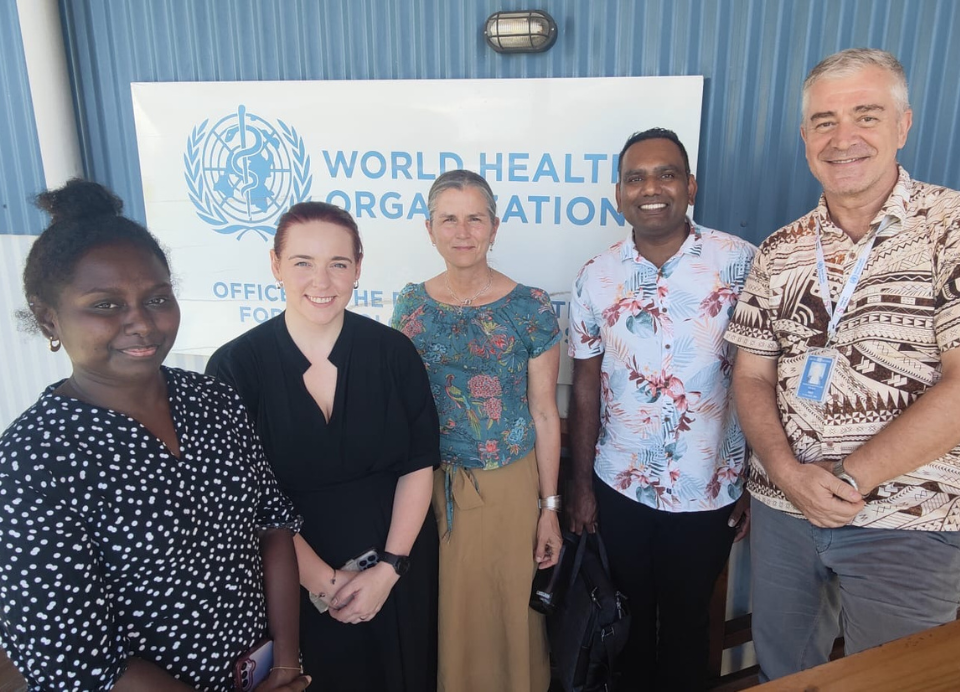
Hosting world-class research leaders, the Institute leads capacity building and development work within the Asia Pacific and has established a wide range of enduring academic partnerships to continue pursuing excellence in research that addresses global health challenges. The Doherty Institute also works closely with the World Health Organisation (WHO) and hosts four WHO Collaborating Centres, several regional reference laboratories, and delivers international programs funded by international and national funding agencies and the Australian Government Department of Foreign Affairs and Trade (DFAT).
The Doherty Institute’s extensive network of regional linkages and collaborations enables a rapid public health and research response to existing and emerging infectious disease threats in the region, contributes to global pandemic preparedness activity, and facilitates pioneering research to lead the fight against the world’s greatest health challenges.
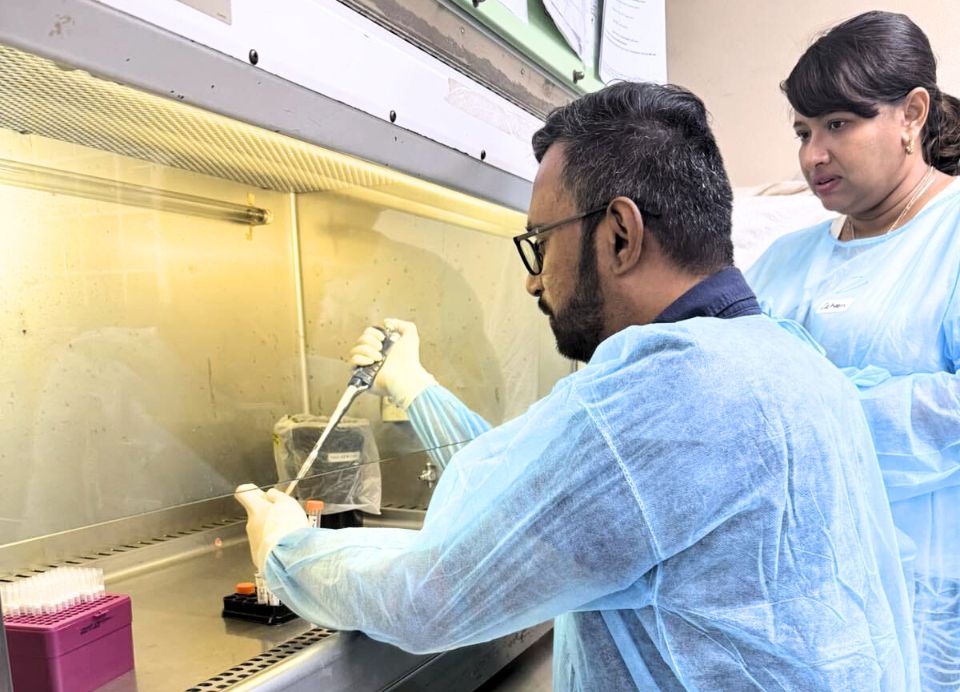
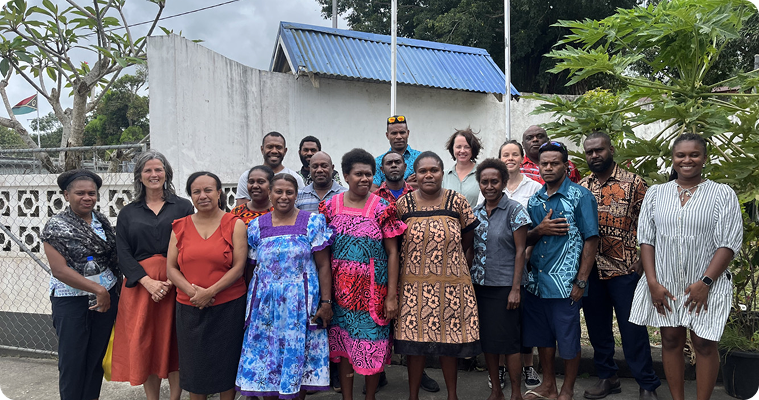
Public health and research experts are leading capacity building, working closely with partners across the Asia-Pacific region and globally to sustainably strengthen health systems and laboratory capacity. Through training programs, technical assistance and fellowships, the Doherty Institute aims to empower local health professionals and laboratories to detect, respond to, and manage infectious diseases. Our four WHO Collaborating Centres, and six Regional Reference Laboratories (list and link), oversee this critical work supporting partners and strengthening regional responses to infectious disease threats.
Strategic partnerships are central to the Doherty Institute’s global health impact. Partnerships with the Fleming Fund Program, WHO Pandemic Hub through the International Pathogen Surveillance Network (IPSN), as well as membership of regional health networks including COVINET and PulseNet Asia-Pacific, enable coordinated responses to public health threats and foster sustainable development.








 Public Health