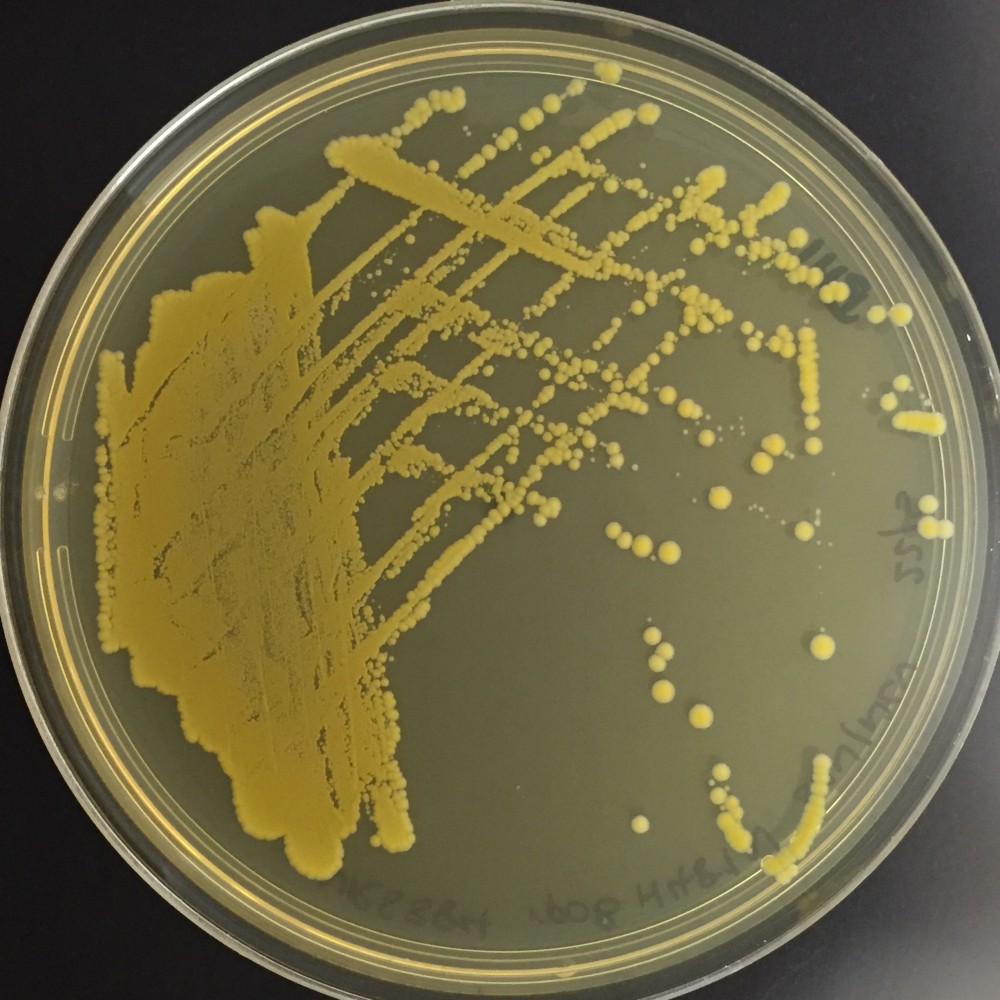
Bacterial infections are caused by harmful bacteria (microscopic single-celled organisms) that invade the body, multiply and trigger immune responses. These infections can range from mild to life-threatening.
This includes diseases such as Buruli ulcer, tuberculosis, strep throat and golden staph (Staphylococcus aureus). Parasitic infections are caused by organisms that live in or on the host and derive nutrients at the host’s expense. These include protozoa (e.g.Plasmodium which causes malaria) and helminths (e.g. Strongyloides) which can cause chronic and severe disease, particularly of concern in vulnerable populations.
At the Doherty Institute, research of bacterial and parasitic infections is broad, encompassing fundamental discovery research, clinical trials, and global health and public health initiatives. Multidisciplinary teams including discovery researchers, clinicians, epidemiologists and more, work together to investigate how pathogens spread, interact with the immune system and evolve, especially in the context of antimicrobial resistance.
This research can inform the development of new diagnostics to detect infections more accurately and rapidly, therapeutics to treat resistant and emerging pathogens, vaccines to prevent infections and public health interventions to reduce the transmission and improve health outcomes.





 Clinical and Health Systems Research