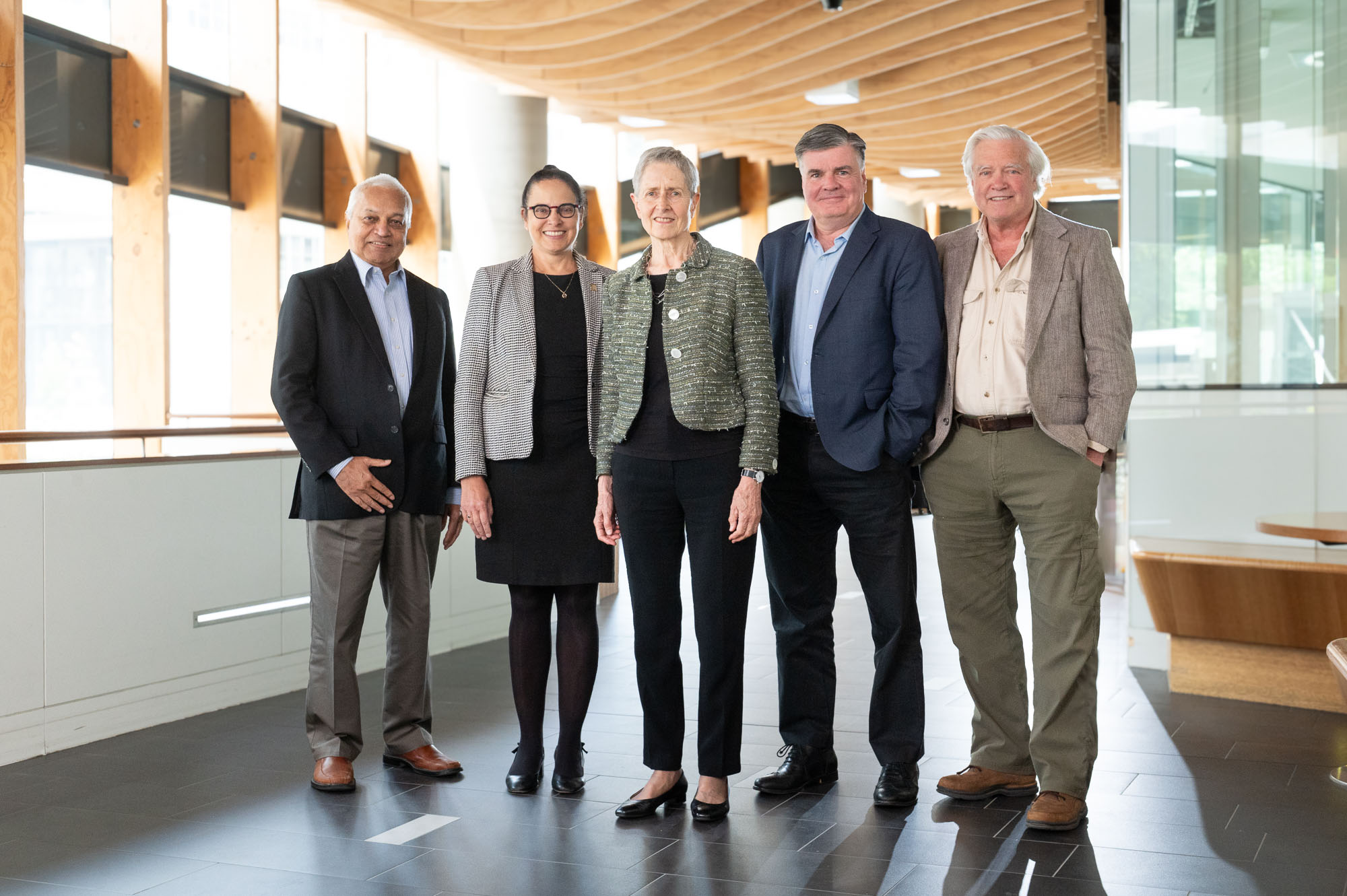
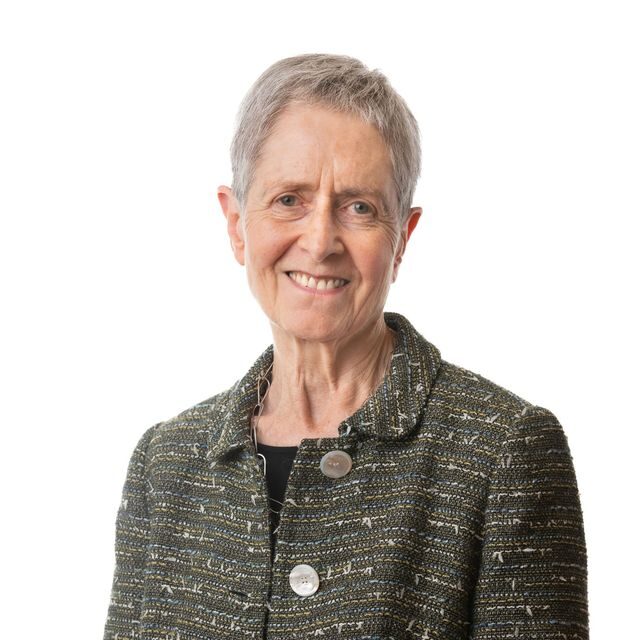
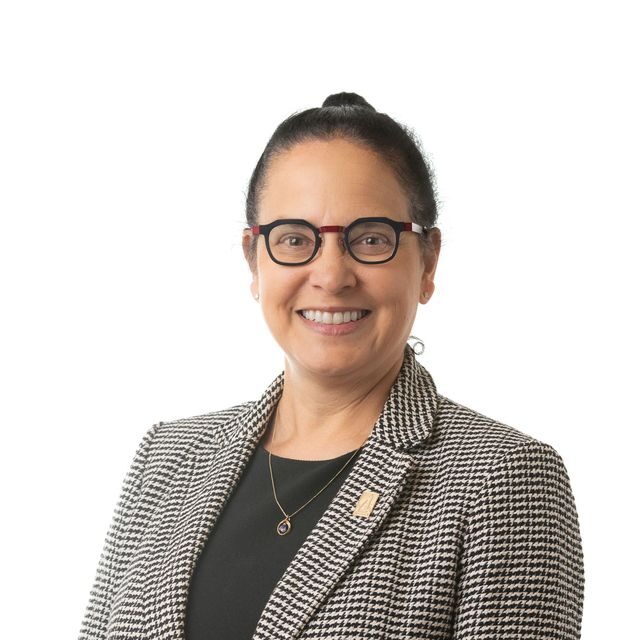
Anne is a distinguished Australian immunologist and former CEO of the National Health and Medical Research Council (NHMRC) from 2015 to July 2023, where she led significant reforms to the grant program. Previously, she was the Director of the WHO Collaborating Centre for Reference and Research on Influenza at the Doherty Institute and the CRC for Vaccine Technology at the Queensland Institute of Medical Research. She holds an honorary professorial appointment at the University of Melbourne. Anne has contributed to her discipline of immunology through her research and other activities, fostered the development of Australian vaccine technologies, strengthened global influenza surveillance and is a proven leader with extensive expertise in research funding. She is a Fellow of the Australian Academy of Science and the Australian Academy of the Health and Medical Sciences.
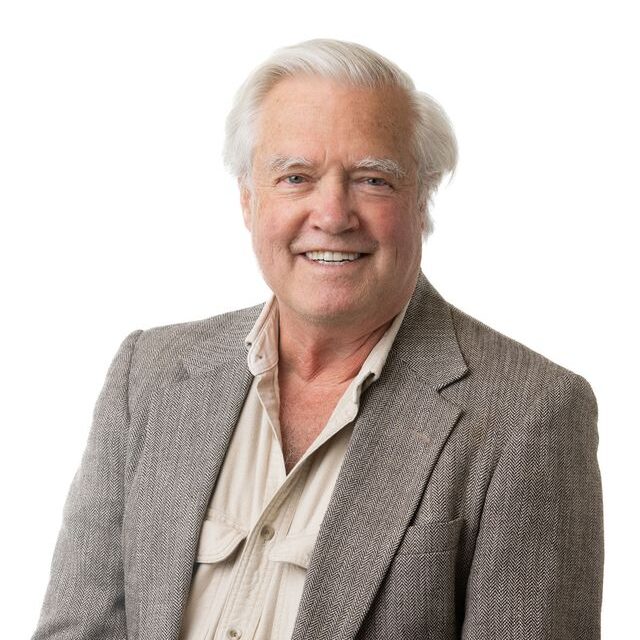
Professor Mike McCune is a clinician-scientist and Head of the HIV Frontiers Program at the Bill and Melinda Gates Foundation who has had a distinguished research career focused on HIV-related pathogenesis and immunology. He is also a Professor Emeritus of Medicine at the University of California, San Francisco (UCSF) and previously the Chief of the UCSF Division of Experimental Medicine. He is a member of many scientific and professional societies, including the American Society for Clinical Investigation, the American Association of Physicians, and the Henry Kunkel Society.
Ken Smith is Professor of Medicine and Head of the Department of Medicine at the University of Cambridge. Ken trained in nephrology and clinical immunology with an interest in autoimmune disease in Melbourne and his PhD at the Walter and Eliza Hall Institute examined aspects of B cell immunology. He established the Cambridge Immunology Strategic Research Network, directs the FoCIS Cambridge International Centre of Excellence, and led a recent successful bid for funding to establish the Cambridge Institute for Therapeutic Immunology and Infectious Disease, to open in 2018. In 2006 he was elected a Fellow of the Academy of Medical Sciences, in 2007 was awarded the Lister Institute Research Prize, and in 2013 the Distinguished Investigator Award of the Lupus Research Institute.
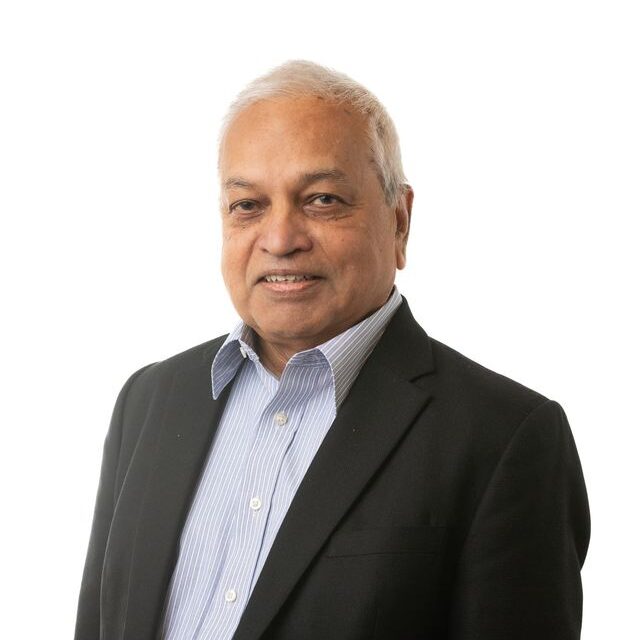
Malik Peiris is Chair Professor of Microbiology and Tam Wah-ching Professor of Medical Sciences at The University of Hong Kong, Honorary Consultant Microbiologist at Queen Mary Hospital and the Scientific Director of the HKU-Pasteur Research Centre at Hong Kong.
Professor Peiris received his medical undergraduate training at the University of Peradeniya, Sri Lanka and his postgraduate training in Virology in the United Kingdom. He then worked as a clinical virologist in Sri Lanka and United Kingdom, where he conducted research in arboviral infections, diarrhoeal diseases and infections in the immunocompromised host.
Robin Patel, M.D., Chair of the Division of Clinical Microbiology and a Consultant in the Clinical Microbiology and Infectious Diseases Laboratories at Mayo Clinic. Dr. Patel and her team are unraveling the process of biofilm formation and resistance of biofilms to antibiotics. They are developing new and improved diagnostic tools and treatment strategies for biofilm-associated infections. Her group uses in vitro studies as well as animal models of infection for their studies.
Dr. Patel graduated from Princeton University with a BA in Chemistry and from McGill University in Montreal, Canada with an MD. She then moved to Rochester, Minnesota, where she completed a residency in Internal Medicine and fellowships in Infectious Diseases and Clinical Microbiology at the Mayo Clinic.
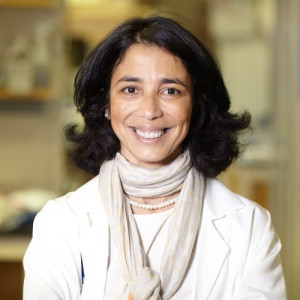
Dr. Miriam Merad is the Dean of Translational Research and Therapeutic Innovation, the Inaugural Chair of the Department of Immunology and Immunotherapy and the Director of the Precision Immunology Institute at Mount Sinai School of Medicine in New York.
She is an internationally acclaimed physician-scientist and a leader in the fields of immunology and oncology. Dr Merad’s work spans a range of areas and her finding have changed the immunology text books by uncovering deep complexity in the immune system and re-defining the immune system’s contributions to several major human diseases. She is specifically recognized for her work on a group of immune cells called macrophages and their contribution to cancer, inflammatory diseases and age-associated diseases. Her laboratory now focuses on the development of macrophage-targeted therapies to treat cancer and inflammatory diseases and to prevent age-associated diseases.