As infectious disease outbreaks continue to affect communities across Pacific Island countries, the Doherty Institute is supporting regional public health responses through laboratory expertise and rapid diagnostics. This work helps countries respond quickly to emerging threats while strengthening longer-term preparedness.
Through the Victorian Infectious Diseases Reference Laboratory (VIDRL), the Institute’s support enables Ministries of Health to confirm diagnoses, understand transmission dynamics and guide timely public health action, often in close coordination with United Nations agencies and donor partners.
The Royal Melbourne Hospital’s Senior Medical Scientist and Training and Capacity Manager at VIDRL at the Doherty Institute, Navin Karan, says a cornerstone of this work is sample referral testing.
“Access to rapid, high-quality laboratory results can be decisive during an outbreak, allowing countries to act quickly and with confidence,” Mr Karan said.
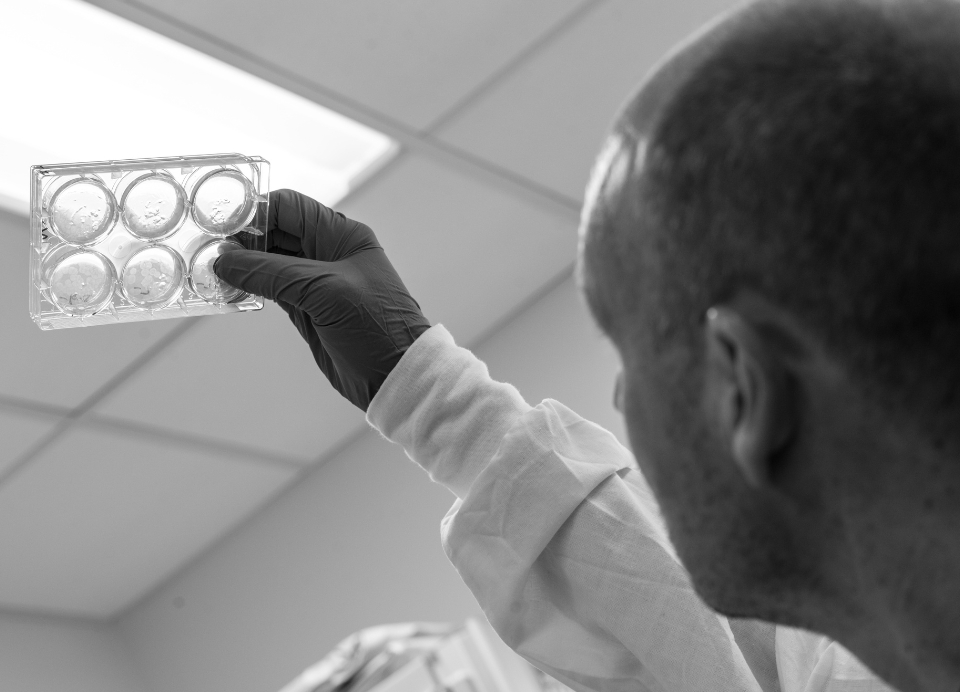
The Royal Melbourne Hospital’s Thomas Tran Head of the Virus Identification Laboratory within VIDRL at the Doherty Institute reflects: “During outbreaks, VIDRL tests up to 20 samples per shipment from Pacific partners, providing advanced molecular and PCR testing to confirm in-country diagnoses and identify circulating pathogens, strains, or detect co-circulating infections.”
Confirmed laboratory findings directly inform vaccination campaigns, risk communication and outbreak control measures led by in-country Ministries of Health.
When resources allow, VIDRL also undertakes genomic analysis to support enhanced surveillance and outbreak investigations, including recent specialised testing support for dengue surveillance.
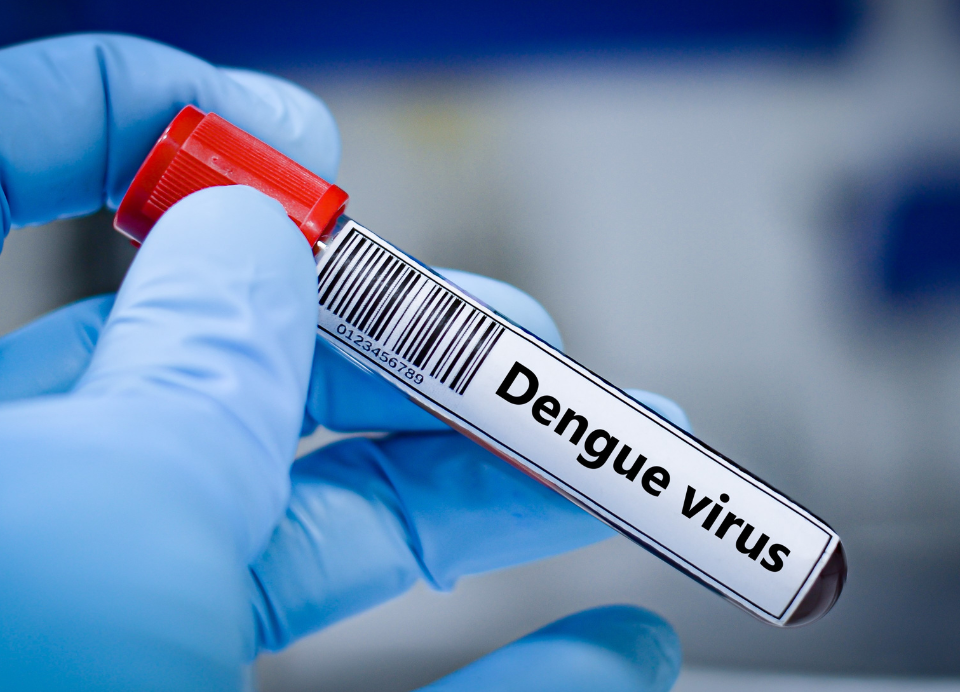
Dengue cases increased across multiple Pacific Island countries in 2025, with outbreaks reported in Tonga, Solomon Islands, Samoa, Vanuatu, Kiribati and Nauru.
In Tonga, testing confirmed Dengue Virus Type 2 (DENV-2) as the cause of an outbreak declared in February 2025. By July, nearly 900 cases, predominantly affecting adolescents, had been reported. In Kiribati, the Ministry of Health confirmed a dengue outbreak in April 2025 after a sharp rise in cases. By June, 96 cases had been laboratory-confirmed, with VIDRL identifying the circulating serotypes. VIDRL has further confirmed the circulating serotypes for dengue in Nauru, Samoa and Solomon Islands.
Alongside dengue, VIDRL has supported Pacific partners responding to whooping cough outbreaks and strengthening preparedness in Vanuatu, Samoa and Fiji,
In Vanuatu, a whooping cough outbreak was declared in August 2025 following cases on Tanna Island. Testing confirmed Bordetella pertussis, a highly contagious bacterium and the cause of whooping cough, in most submitted samples, with cases predominantly affecting unvaccinated or partially vaccinated infants.
Laboratory confirmation triggered the activation of emergency operations centres and coordinated vaccination campaigns in partnership with UNICEF, WHO and local leaders.
In both Vanuatu and Fiji, VIDRL rapidly deployed pertussis PCR reagents to enable in-country testing and provided remote training to laboratory staff, strengthening local diagnostic capacity while maintaining testing continuity during periods of high demand. Fiji is now supporting other neighbouring Pacific countries with pertussis testing.
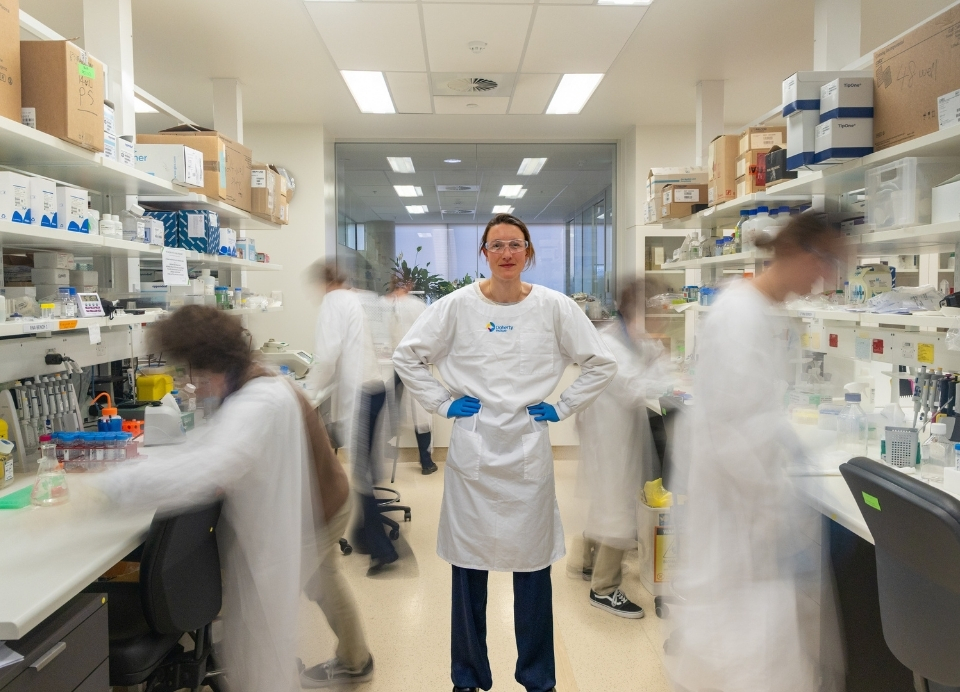
This work is underpinned by strong regional collaboration. VIDRLhas high containment facility that can handle dangerous microbes, such as SARS-CoV-2, which can cause serious, even lethal diseases and has been part of the Pacific Public Health Surveillance Network (PPHSN) LabNet since inception as a specialised reference laboratory. The Doherty institute is also an allied member of the PPHSN, further enhancing regional collaboration.
VIDRL also collaborates closely with partners through the WHO Division of Pacific Technical Support, including participation in the Joint Incident Management Team, which meets regularly to share updates, coordinate responses and coordinate on country requests during outbreaks.
Long-term capacity building is supported through the Department of Foreign Affairs and Trade (DFAT). In particular, the Enhancing laboratory accuracy and biosafety for outbreak response in the Asia-Pacific through the education (eLABorate) program strengthens in-country laboratory capability and preparedness, enabling Pacific nations to respond rapidly and independently to infectious disease threats.
“Together, these efforts reflect the Doherty Institute’s ongoing commitment to regional health security, supporting Pacific partners not only during outbreaks, but also between emergencies, building capability, trust and collaboration over time,” added Mr Karan.
More updates and news from the Doherty Institute

 Public Health