The rapid rollout of COVID-19 mRNA vaccines seemed like an overnight success – but in truth, it was the result of decades of global research and development.
Scientists have known of the existence of mRNA inside living cells since the 1960s. Back in the 1980s, scientists developed efficient methods to produce their own, custom designs of synthetic mRNA in a test tube. Already then, the potential of mRNA for vaccines and therapeutics was understood by scientists. By the 2000s, researchers discovered how to modify mRNA to prevent inflammation and improve its potency when delivered into our bodies. By the 2010s, mRNA technology was being explored for vaccines against viruses like Zika and MERS.
Sixty years of investment laid the foundation for the rapid development and deployment of mRNA-based COVID-19 vaccines – culminating in a Nobel Prize in 2023 for Katalin Karikó and Drew Weissman, two pioneers of the field.
The “m” in mRNA stands for messenger. In therapeutic use, mRNA acts like a recipe. It carries instructions that our cells use to make proteins – potentially helping them fight disease, reduce inflammation, or produce substances that support healing. In the context of infectious diseases, mRNA can be used preventatively to avoid infection; or therapeutically to alleviate symptoms and speed up recovery.
mRNA is one example of what’s known in science as a platform technology. Within the field of infectious diseases, these are tools designed not to fight a single virus, but to act as flexible, reusable building blocks – ready to be adapted for a wide range of pathogens. Think of them like LEGO blocks: modular, interchangeable, and designed for speed.
We don’t know what the next pandemic will look like. That’s why in 2024, the World Health Organization updated its pandemic preparedness framework, urging scientists to focus less on individual pathogens and more on those things we can meaningfully progress now. These include a better understanding of general infection mechanisms, our body’s immune response to infections, but also on the technological building blocks of future therapeutics. Investing in platform technologies now will form the backbone of our future response – just as decades of investment made the rapid COVID-19 vaccine rollout possible.
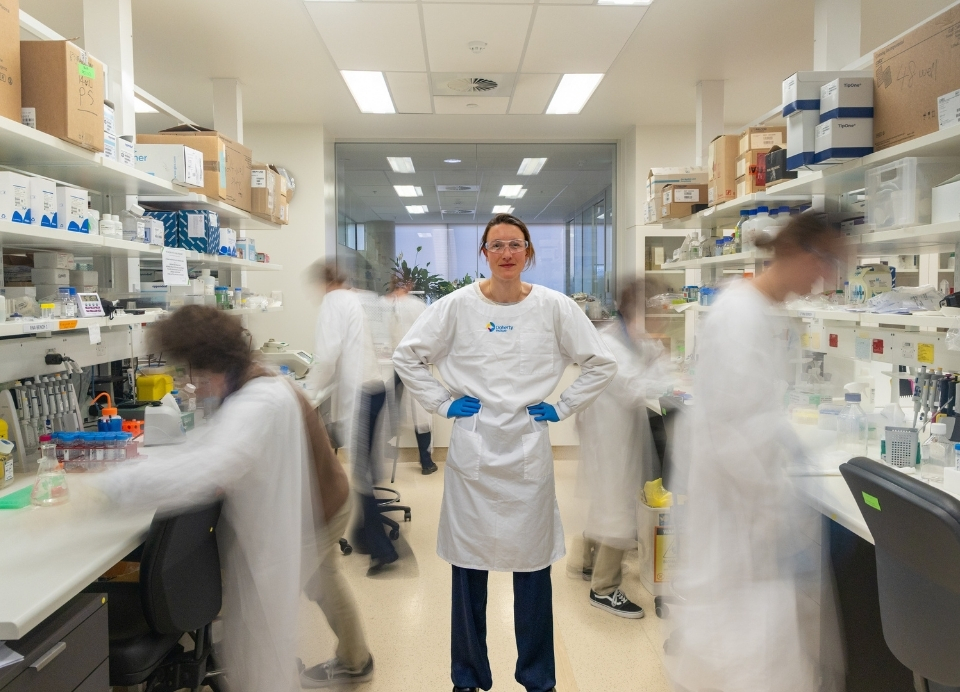
Dr Paula Cevaal is a research Fellow at the Doherty Institute. She recently appeared on Off Script, a podcast by the Cumming Global Centre for Pandemic Therapeutics.
But investment in science is only one part of the puzzle.
We also need to build public trust in that science long before the next crisis hits. For many, the first time they heard the word “mRNA” was while sitting in a chair, about to be vaccinated. This is both undesirable and unnecessary.
When the next pandemic emerges, it’s likely that the life-saving vaccines or treatments will again be built using a combination of these “LEGO blocks” – pieces of technology already developed and tested. If those individual components have been validated ahead of time, the resulting therapeutic can move through safety and regulatory approvals much faster because we already know and trust its parts.
But that only works if the public trusts them, too.
Building that trust means being transparent, communicating clearly and early, and inviting the public into the scientific process. It’s not just about showing outcomes, but explaining the testing, iteration, and rigour behind them. As the U.S. Department of Health and Human Services continues to cut funding for mRNA research and development, it’s more important than ever that the global scientific community advocates for the value of these tools.
This is precisely why research institutions like the Cumming Global Centre for Pandemic Therapeutics at the Peter Doherty Institute for Infection and Immunity exist. The Centre’s mission is to develop new platform technologies – or “LEGO blocks” – so we can rapidly respond when the next threat arises. It’s built on the belief that treatments can be developed in much shorter timeframes than currently possible – but only through investment in new science, new ideas, and public trust.
We may not know the name of the next pandemic pathogen, but we know it’s coming. If we want to save lives, keep our health systems functioning, and protect our communities, we must build the blocks during peacetime and bring the public with us every step of the way.
A version of this article originally appeared in Pursuit – news, analysis, research and insights from world-leading minds. Read the original here.
Learn more about mRNA technology in 'the mRNA revolution', the third episode of Off Script, a podcast by the Cumming Global Centre for Pandemic Therapeutics.
Written by Guest Contributor Dr Paula Cevaal
More updates and news from the Doherty Institute


 Public Health