
Find people, groups, projects, media, etc.
-

Fighting Neglected Tropical Diseases (NTDs): Science and partnerships in action

Professor Tim Stinear
Updated: 8, Feb 2026

Neglected Tropical Diseases (NTDs) affect more than 1.4 billion people worldwide, often in communities with limited access to healthcare, education and sanitation. The WHO 2021-2030 road map for neglected tropical diseases sets out a pathway to eradicate these diseases. While significant progress towards elimination has been made, disruptions to government assistance programs threaten recent gains.

Despite these disruptions, research and public health teams at the Doherty Institute continue to contribute practical science and partnerships that align with the global call to unite, act, and eliminate NTDsand help build safer, more resilient health systems for all.

Of the 21+ neglected tropical disease conditions recognised by the WHO, this article spotlights five where the Institute is actively driving research and impact.

Buruli ulcer

Buruli ulcer is a serious skin infection caused by the bacterium Mycobacterium ulcerans, now endemic to Victoria, with some of the highest numbers of Buruli ulcer in the world. Researchers led by the WHO Collaborating Centre for Mycobacterium ulcerans at the Doherty Institute are investigating transmission mechanisms, supporting clinical trials of new antibiotics, and developing innovative, low-cost, rapid, point of need diagnostics to reduce disease impact. Their work has clarified long-standing questions about how Buruli ulcer spreads.

Leprosy

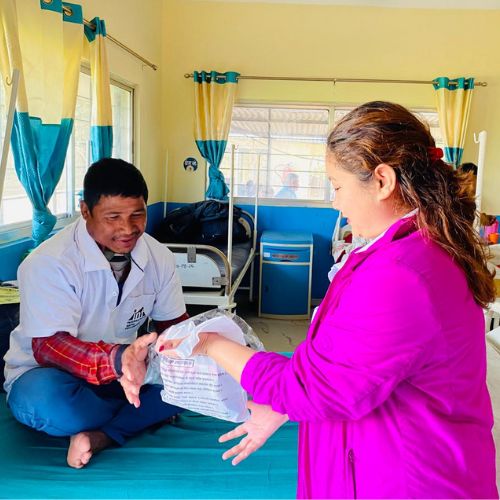
Leprosy, caused by Mycobacterium leprae, affects the skin and peripheral nerves and can cause long-term disability if untreated. Despite being treatable and largely preventable, around 200 000 new cases are reported every year globally. The ACCELERATE project, led by University of Melbourne researchers at the Doherty Institute, combines genomics and field-based public health research in Nepal to track transmission, uncover hidden cases, and improve diagnosis, treatment, and prevention. This work also builds local scientific capacity and strengthens community engagement, bridging laboratory science with practical public health impact.

Strongyloidiasis

Strongyloidiasis is a little-known but potentially deadly infection caused by the parasitic worm Strongyloides stercoralis. One of the world’s most neglected tropical diseases, it is endemic in many remote Indigenous communities in Australia, with prevalence in some areas reported as high as 60 per cent. Researchers at the Doherty Institute, Royal Melbourne Hospital clinicians and other collaborators are part of a multidisciplinary team using a ‘One Health’ approach to develop rapid diagnostics, improve public health interventions, and study animal  transmission. The project also includes a pilot elimination program co-designed with communities, combining treatment, improved sanitation and hygiene, education, veterinary management, and surveillance, with the aim of reducing infection and moving closer to elimination.

Dengue

Half of the world’s population is at risk of dengue, a mosquito-borne viral infection that can occasionally become severe or fatal. The disease is endemic in more than 100 countries, with the WHO estimating 100–400 million infections each year. In 2025, dengue cases rose across Pacific Island countries, with outbreaks reported in Tonga, Solomon Islands, Samoa, Vanuatu, Kiribati and Nauru. As part of our regional outbreak response, The Doherty Institute, through the Victorian Infectious Diseases Reference Laboratory (VIDRL) supported local Ministries of Health by confirming circulating serotypes, performing advanced molecular testing, and guiding public health responses. VIDRL also provided genomic analysis for enhanced surveillance and outbreak investigation. Strong regional partnerships underpin this work, including collaboration with the Pacific Public Health Surveillance Network, WHO Division of Pacific Technical Support, and DFAT-funded programs such as eLABorate, which builds sustainable laboratory capacity in the Asia-Pacific region.

Leishmaniasis

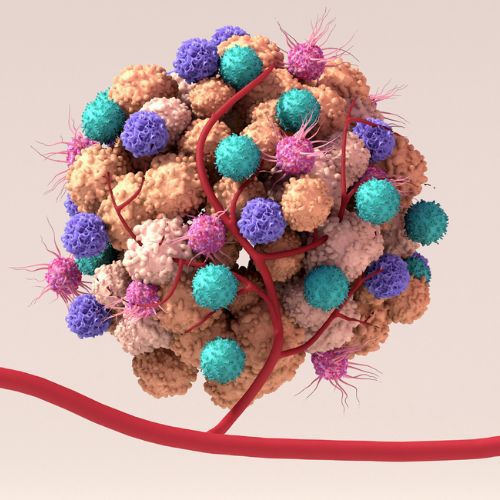
Another little-known NTD, Leishmaniasis is a parasitic infection transmitted by sandflies, responsible for up to one million new infections every year. Since 2017, scientists at the Doherty Institute have been investigating immune responses that allow leishmania parasites to survive in the host to uncover new ways to combat the disease. We were the first to show that a type of immune cells called mucosal-associated invariant T (MAIT) cells can recognise a specific marker on Leishmania antigens and trigger an immune response, paving the way for new vaccines and treatment strategies.

Site by Sod