Researchers have identified Batemans Bay on the NSW South Coast as a potential new hotspot for Buruli ulcer, a rare infection caused by Mycobacterium ulcerans. The findings, published in PLOS Neglected Tropical Diseases, suggest the disease could spread further across the state, mirroring patterns observed in Victoria.
The study, a collaboration between infectious disease experts from Canberra Health, the Doherty Institute, the University of Wollongong, NSW Health and Austin Health, reports two cases in Batemans Bay. This comes a decade after the first known New South Wales case was identified in Eden, 150 kilometers further south.
“Genome sequencing of samples from the Batemans Bay cases provided important clues about the infections,” said the University of Melbourne’s Professor Tim Stinear, co-author of the paper and Director of the WHO Collaborating Centre for Mycobacterium ulcerans at the Doherty Institute.
“The genomic analysis revealed that the bacteria which caused the two infections in Batemans Bay were identical. It also showed that they were genetically linked to the previous Eden case but distinct from the bacterial lineage prevalent in Victoria, including Melbourne, Geelong and surrounds.
“The forensic power of genomics showed us that the disease has established a foothold in southern NSW, separate from the endemic areas of Victoria.”
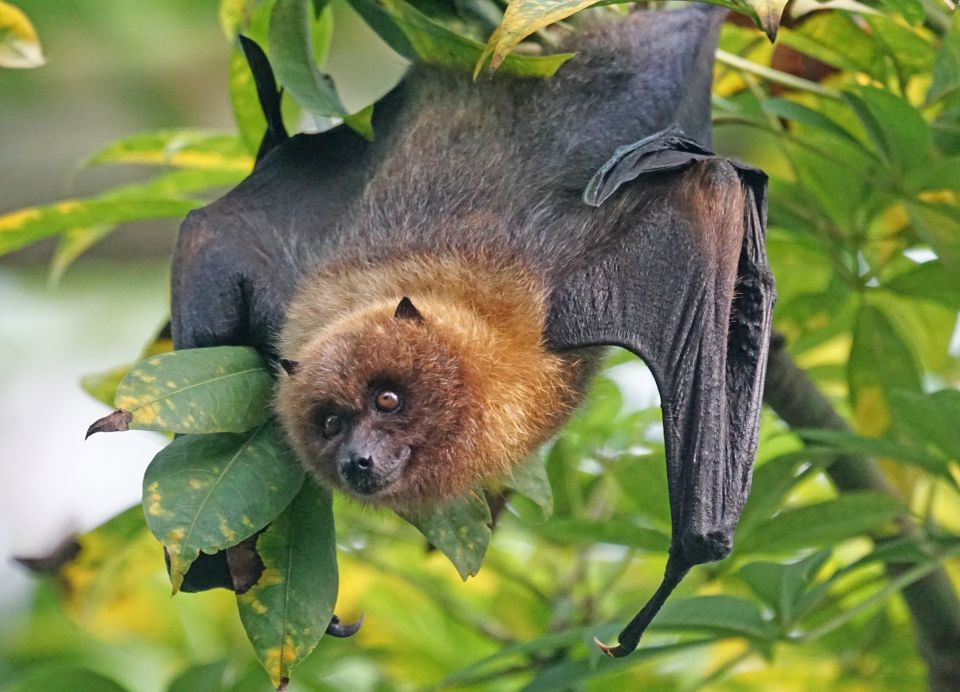
The disease, which is spread by mosquitoes and linked to native wildlife, causes progressive skin and soft tissue infections. The study detected the causative bacteria in possum excreta from Batemans Bay, as seen in the Buruli ulcer affected areas of Victoria.
Dr Mehrab E Hossain, infectious disease physician and first author of the study, said the findings raise concerns about the potential spread of the disease further into NSW.
“The bacteria’s ability to establish in possum populations parallels what we’ve seen in Victoria, where it expanded from coastal towns to urban areas of Melbourne and Geelong,” she said.
How the bacteria made its way to the region is not known and requires more investigation.
“It’s the $1 million question,” said Dr Hossain. “But one thing is for sure, our findings highlight the importance of monitoring mosquito-prone regions for Buruli ulcer.”
Professor Paul Johnson, co-author of the study and infectious disease physician at Austin Health explained that awareness among the public and medical professionals is key to preventing severe Buruli ulcer cases.
“It can take months for the infection to develop after a mosquito bite and there may be nothing to see on the skin for many weeks. If you have been in an endemic area and notice a progressive sore that just won’t heal, its time to discuss the possibility of Buruli ulcer with your doctor,” he said.
“While Buruli ulcer can be serious, it’s always treatable, people always recover. The disease is treatable with antibiotics and proper wound care.”
To minimise risk, experts recommend avoiding mosquito bites by wearing protective clothing and applying repellent, washing and covering wounds and consulting a doctor if an ulcer doesn’t heal.
Video: University of Melbourne Professor Tim Stinear provides advice on how to stop the spread of Buruli ulcer with tips to protect yourself and your loved ones from mosquitoes this Summer.
More updates and news from the Doherty Institute

 Public Health